Reinforced wheels for campers, motorhomes and vans
A camper or motorhome carries weight all year round: furniture, water, the leisure battery, luggage and passengers. Reinforced wheels are designed to support that continuous load. They offer a higher load capacity per wheel than a passenger car wheel and keep you safe on long trips, mountain descents and rough roads.
Why your vehicle needs a reinforced wheel
1
Load capacity per wheel Every wheel has a maximum load in kilograms set by the manufacturer. On a vehicle with a 3,500 kg gross weight, a wheel designed for a passenger car may fall short. A reinforced wheel is engineered for that weight.
2
Fatigue resistance Constant weight, potholes and braking with a loaded vehicle put far more stress on the wheel than on a car. The reinforced construction is designed to withstand that use over thousands of kilometres.
3
Compatible with C and CP tyres Vans and motorhomes use commercial (C) or motorhome-specific (CP) tyres, which run at higher pressures. The wheel has to match the tyre fitted to it.
How to choose the right wheel
Data
What to check
Maximum load (kg)
Find the maximum permitted mass of the most heavily loaded axle in your vehicle documents and divide it by two. The wheel load rating must be equal to or higher than that value. For example, with 2,400 kg on the rear axle you need at least 1,200 kg per wheel.
Bolt pattern (PCD)
Number of bolts and the diameter they are spread on, for example 5x118. It must match your hub exactly.
Centre bore
The central hole that centres the wheel on the hub. On heavy vehicles it should be an exact fit so that centring does not rely on the bolts alone.
Offset (ET)
Determines how far the wheel sits in or out of the wheel arch. The wrong offset can cause contact with the bodywork or the brake system.
Diameter and width
They must accept the tyre size listed in your vehicle documents and leave enough clearance for the brake calipers.
Bolt pattern reference for the most common camper bases
Vehicle
Bolt pattern
Centre bore
Fiat Ducato / Citroën Jumper / Peugeot Boxer (2006 onwards)
5x118
71.1 mm
Mercedes-Benz Sprinter, single rear wheel (2006 onwards)
6x130
84.1 mm
Ford Transit, single rear wheel (2014 onwards)
5x160
65.1 mm
These figures are for guidance only. Before buying, always check your vehicle documents and the specifications of each wheel.
Roadworthiness and legal compliance
If you keep the tyre size listed in your vehicle documents and the wheel has the correct load rating, bolt pattern and offset, the change does not usually require any paperwork. If you plan to fit a different size, check the vehicle modification rules in your country or ask your vehicle inspection centre first.
Not sure about compatibility? Send us the make, model, year and tyre size of your camper or van and we will confirm which reinforced wheel fits it.
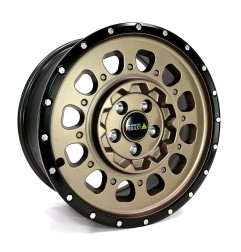
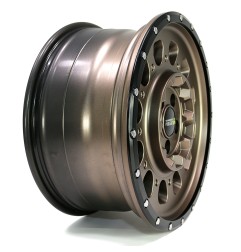
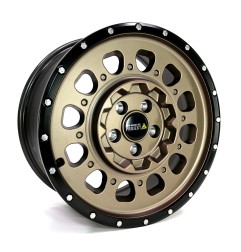
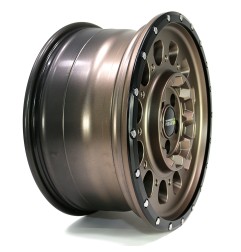
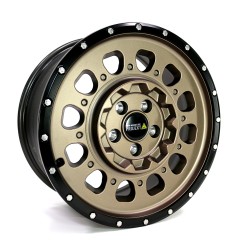
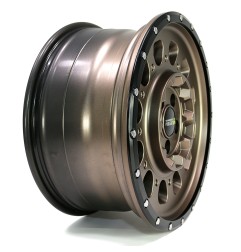
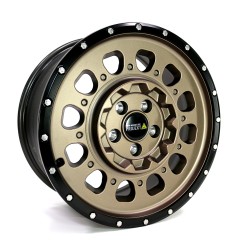
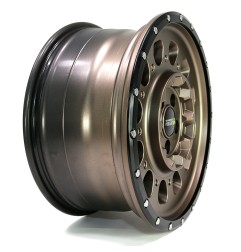
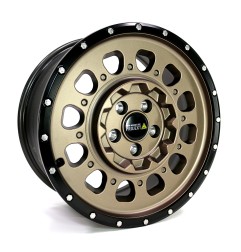
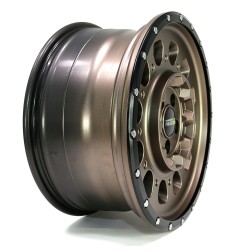
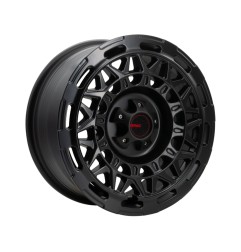
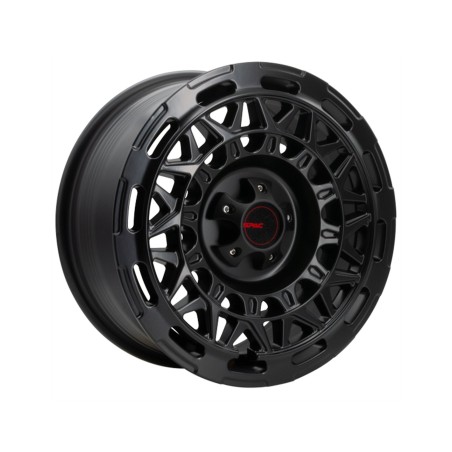
8.5x18" aluminium wheel in Terra colour. With bolt-on protection ring. For Fiat Ducato 3 (250) Light / Peugeot Boxer Light / Citroën Jumper Light. Price per unit. Minimum order: 4 units.
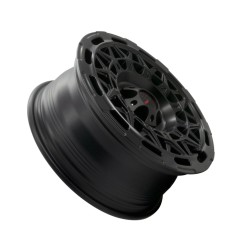
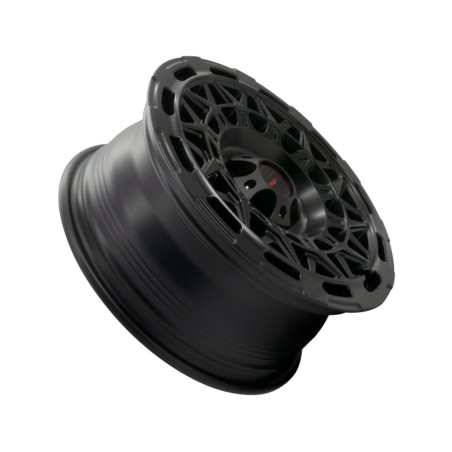
8.5x18" aluminium wheel in Terra colour. With bolt-on protection ring. For Fiat Ducato 3 (250) Light / Peugeot Boxer Light / Citroën Jumper Light. Price per unit. Minimum order: 4 units.
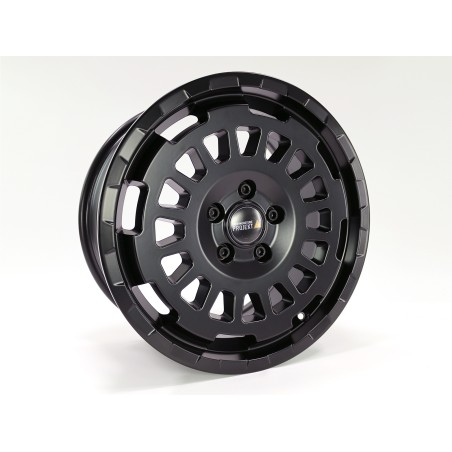
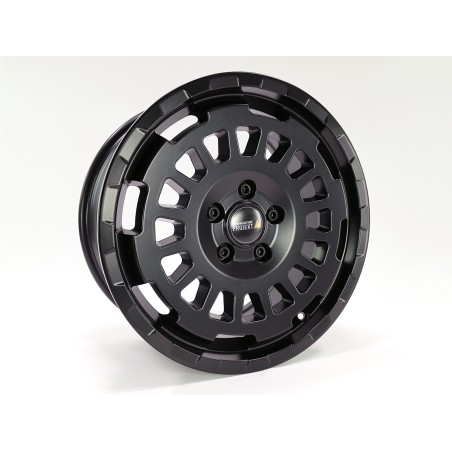
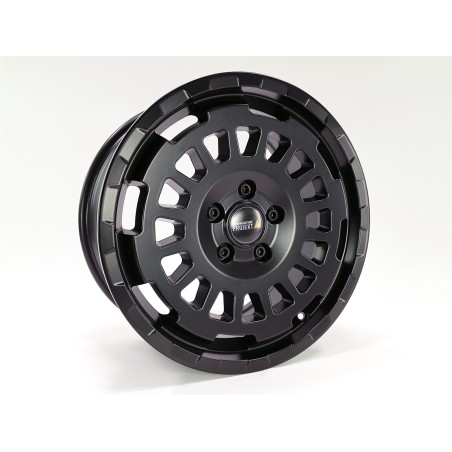
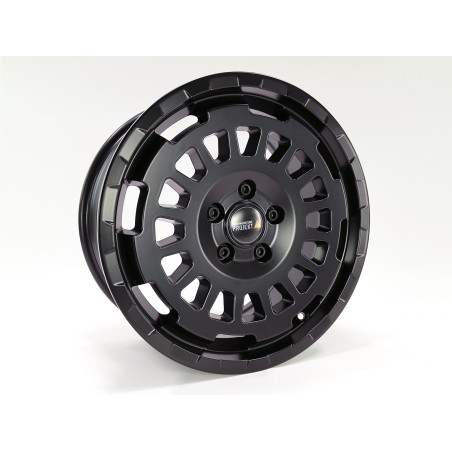
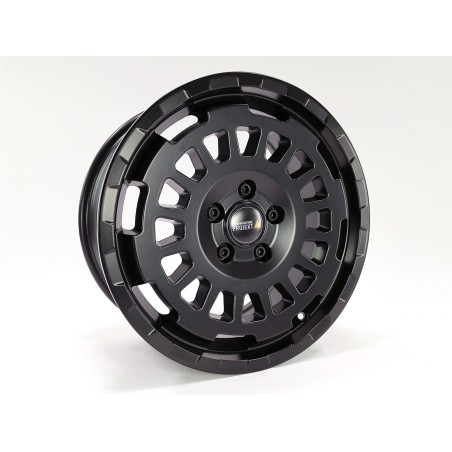
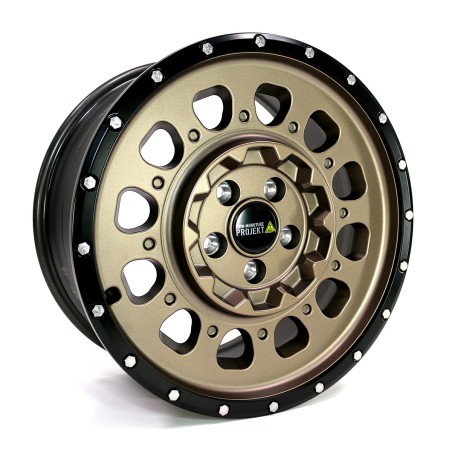
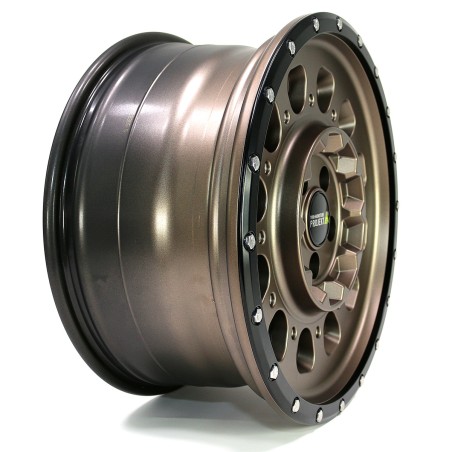
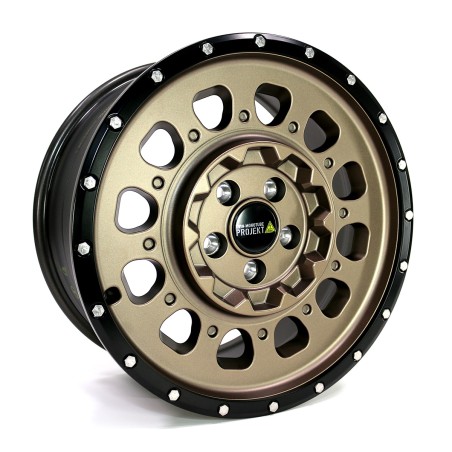
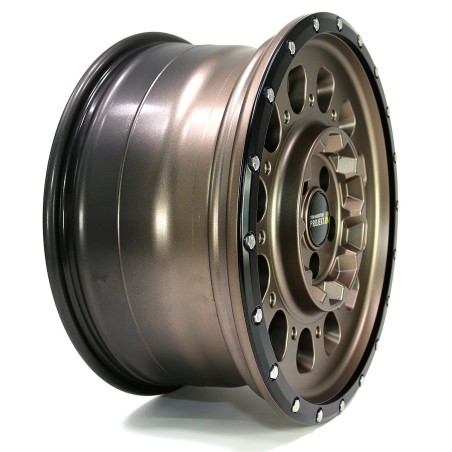
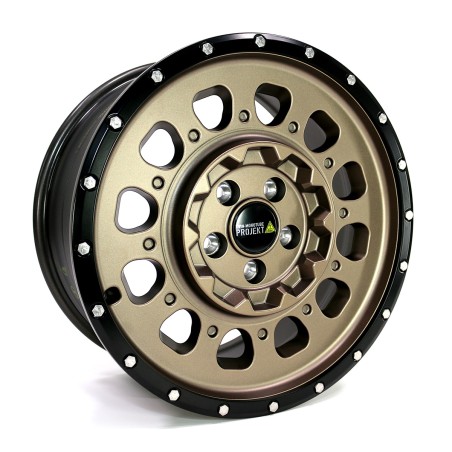
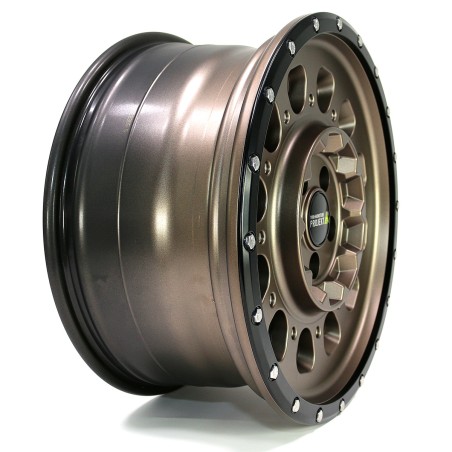
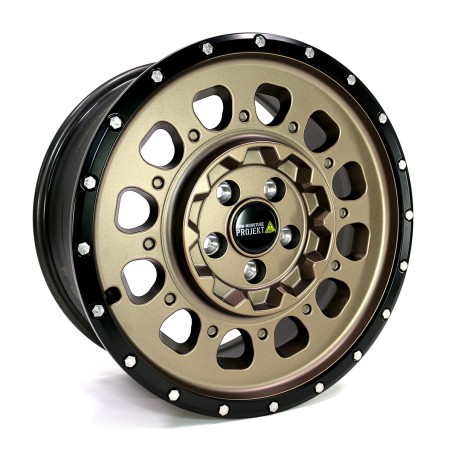
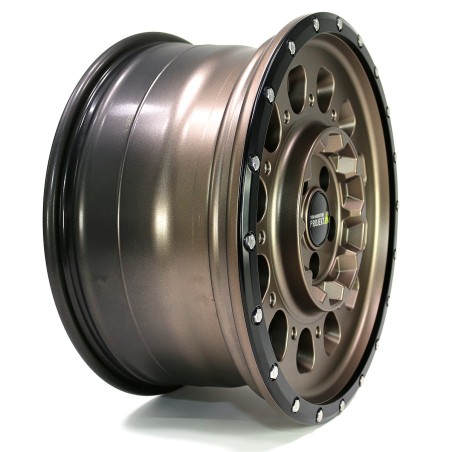
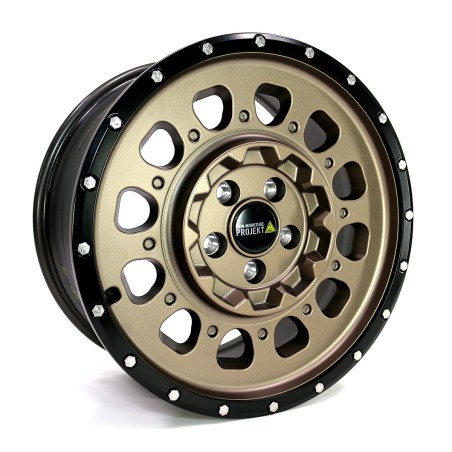
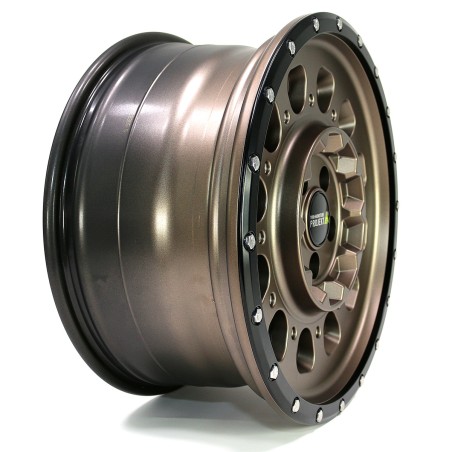
8.5x18" aluminium wheel in Terra colour. With bolt-on protection ring. For Fiat Ducato 3 (250) Maxi / Peugeot Boxer / Citroën Jumper. Price per unit. Minimum order: 4 units.
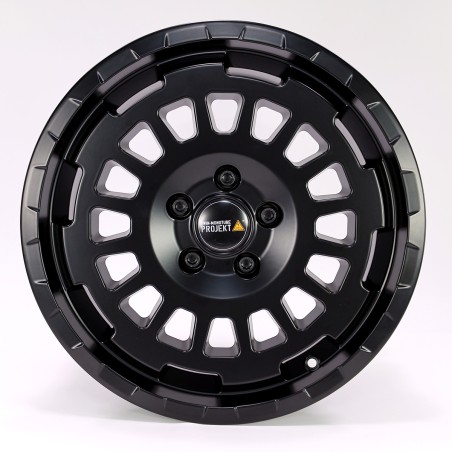
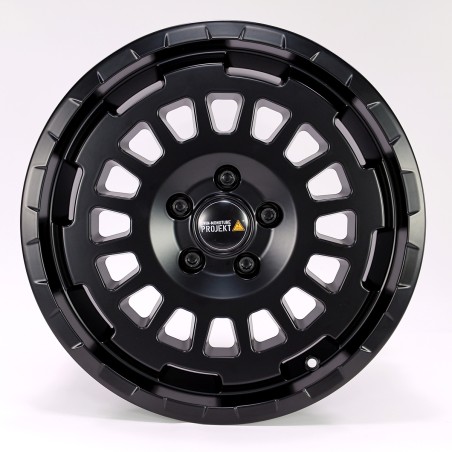
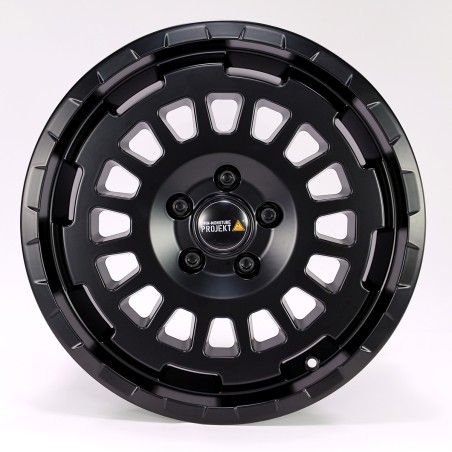
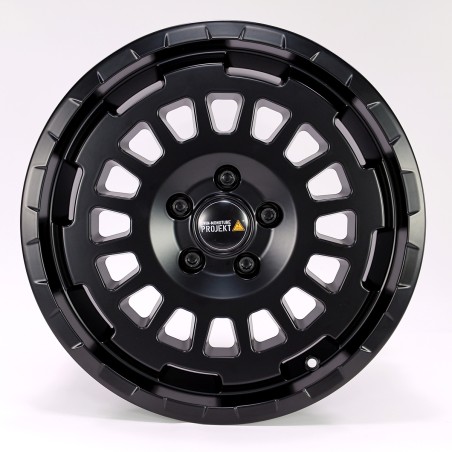
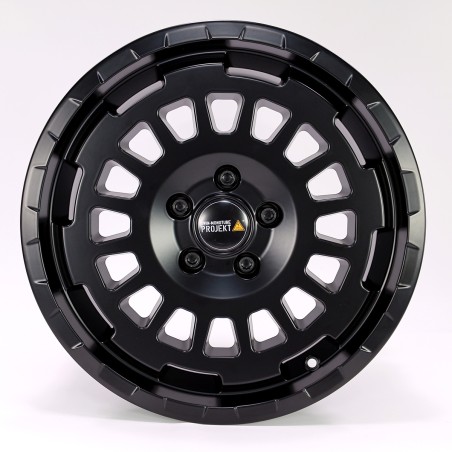
8.5x18" aluminium wheel in Terra colour. With bolt-on protection ring. For Fiat Ducato 3 (250) Maxi / Peugeot Boxer / Citroën Jumper. Price per unit. Minimum order: 4 units.
Flow forming aluminium wheel in honeycomb (VWF1) or 5-spoke (VWF2) design, from 16 to 20". Machined to the bolt pattern you choose. Price per unit. Minimum order: 4 units.
Flow forming aluminium wheel in honeycomb (VWF1) or 5-spoke (VWF2) design, from 16 to 20". Machined to the bolt pattern you choose. Price per unit. Minimum order: 4 units.